Maui > Activities > Surfing

Maui Surfing – Everything You Should Know
Maui Surf Lessons, Challenges, Board Rentals, Spots, Reports, and more!
Here is everything you need to know when it comes to Maui surfing from where to go based on your skill level to what to expect once you get into the lineup. Please enjoy this Maui surfing guide.
Beginners • Experienced • Spots & Reports
Maui Surf Schools
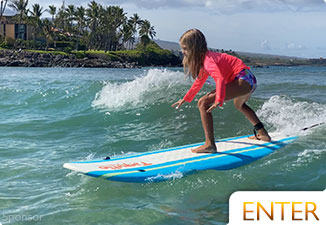
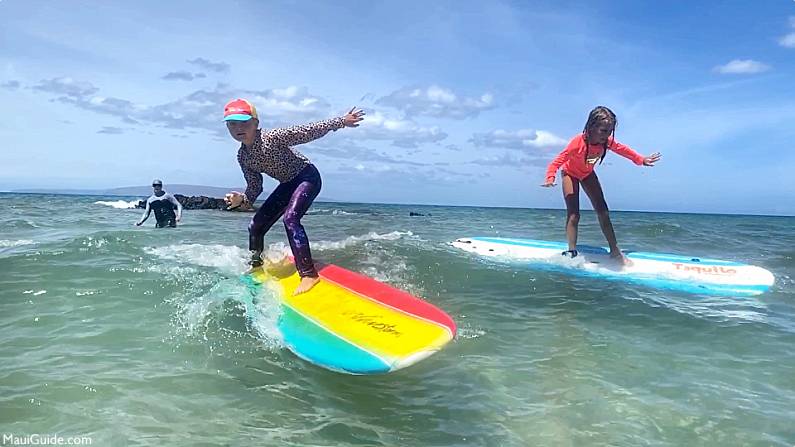
Learning to surf on Maui is a must-do. With its gentle breaks and plethora of surf schools, our island is built for learning to surf. Both the South and West sides of Maui have numerous breaks made for longboarding. The gradual slope of the ocean contour at these spots makes for a gently breaking wave perfect for getting you up and going. Most of our surf schools on Maui guarantee you’ll stand up the first time you take a lesson. Many will also rent you a board if you want to try surfing by yourself.
See answers to some of the most common questions we get about Maui Surf Lessons.

More Maui Surf Schools:
- Action Sports Maui
- Big Kahuna Adventures HI
- Blue Soul Maui
- Goofy Foot Surf School
- Hawaiian Paddle Sports
- Hawaiian Ultimate Adventure
- Hi-Performance Surf
- Island Scuba
- Island Style Adventures Surf School
- Kihei Surf Lessons
- Maui Beach Boys
- Maui Eco Tours
- Maui Surf Clinics
- Maui Surfer Girls
- Maui Wave Riders
- Opelu Surf School
- Surf Shack
- Rivers to the Sea
- Royal Hawaiian Surf School
- Waves Hawaii
- Zach Howard Surf


A Word of Warning
Our first 2 suggested surf schools will take you away from the crowded surf spots. We think this is important because we’ve seen people hurt from having too many students in a concentrated area. Yes, the boards are soft, but we’ve seen more than boards in the air. Sometimes a fellow student will stumble and grab a person riding near them. Surfing with just your instructor or your own personal group of family/friends will keep you from being in surfboard soup.
During some south or west swells, the surf in these areas can become hazardous. Take advantage of your instructor’s local knowledge before paddling out.
Big Beach Skimboarding: Photos & Interview
Advanced Surfing
For those of you with experience, there are many good spots on Maui. Some are more dangerous than others. These surf spots can look deceptively harmless and mushy. Know where you’re going before you go out.
The North Shore of Maui is where you’ll find the biggest and most consistent waves. Hookipa is a great surf spot when winds are favorable with 3-4 main breaks. This Maui surf spot is for experienced surfers only. The current can be strong and there are only 2 entrances to the surf. The reef in front of most of the spots is exposed which makes it difficult to get to shore when the currents are blazing. The entrances are at either end of the beach and narrow. The waves here are good but crowded.
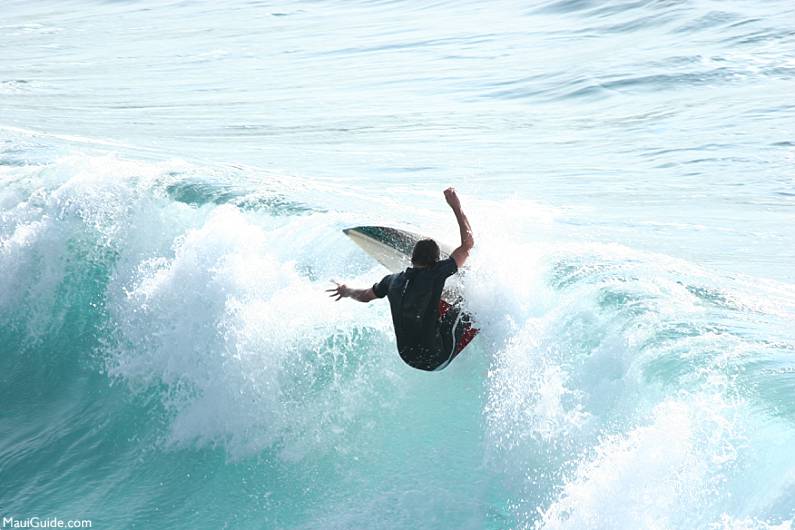
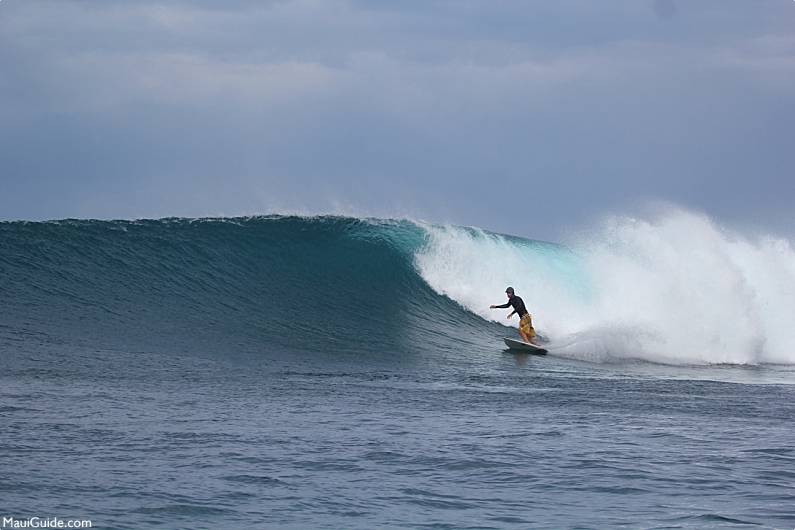
Another popular spot to surf is Honolua Bay. This is one of the best waves on the island though extremely fickle. Usually only breaking a handful of times in the winter, Honolua Bay can offer a really long barreling right-hand wave. Again, only for advanced surfers, Honolua surf can be treacherous. The Cave is a section of the wave, which is notorious for sucking surfers under and keeping them there. Keiki Bowls, on the inside, is super shallow and fast. This is a fun part of the wave, but you don’t want to fall here. Just kicking out can leave your knuckles scraped when paddling. There are dozens of other reef breaks around the island. The few beach breaks available are usually not very good in comparison.
25 Things To Do On Maui
Challenges When Surfing On Maui
Hawaii is the Mecca of surfing. Although Maui is not known as the center of the sport, our island has some incredible breaks. Oahu’s North Shore is the best spot for surfing good-sized waves with good shape. Maui has many downfalls when it comes to surfing, but if you learn about them, you can score good rides.
The following will explain the good and the bad of Maui surfing and how you can get the best out of your surfing experience in Hawaii.
IMPORTANT: Remember safety should always be your first priority. If you doubt, don’t paddle out!
Island Blocking • Local Tension • Crowds • Reefs • Creatures • The Good
Wind
Maui is known as the windy island. The wind usually kicks up by 9 or 10 in the morning, sometimes earlier. Maui wind can really mess up some good waves. Most of the time, the wind is blowing side-onshore on the North side of Maui. This is great for the windsurfers and kiteboarding on Maui. But for surfing, this poses another problem. If you paddle out in windy surf, you could easily get run over.
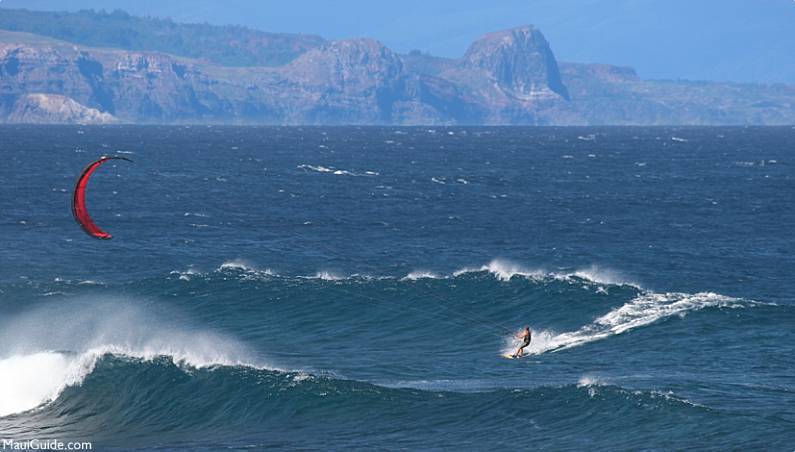
Remedy: Get up early and get out before the wind picks up. You can also try kiteboarding or windsurfing. Keep an eye on the forecast for swells hitting areas with offshore winds.
Fickleness & Island Blocking
For a Hawaiian Island, Maui get’s a small share of the waves. Maui County is composed of Maui, Kohoʻolawe, Lanai, Molokai, and little Molokini Crater. All of these islands contribute to blocking West, South, and some angled North swells. Then there’s the Big Island. The Big Island of Hawaii is the closest island to Maui and blocks all East swell leaving our huge southeast shoreline flat. Hawaii gets good waves, but the summer on Maui is a long period of practically no swell. Some South swells manage to squeeze by and light up our shores. This is rare, and when it happens, you can be sure that everyone on the island knows.
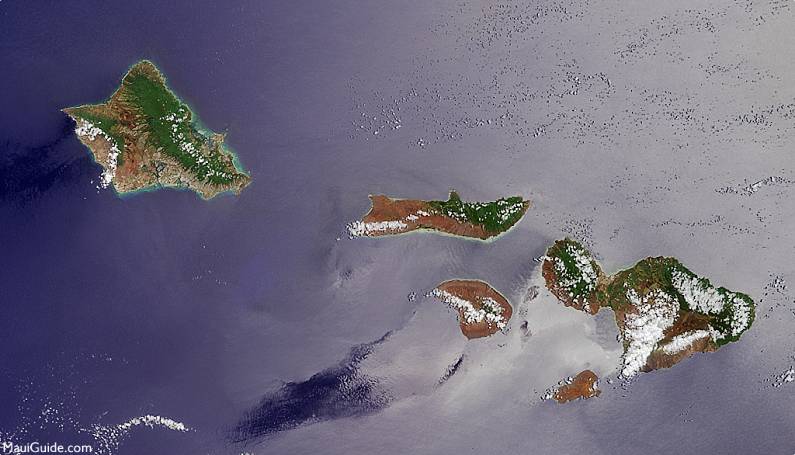
Remedy: Pay attention to the buoys and do your research. The more knowledge you have of the different breaks and their corresponding swells, the more times you’ll score good Maui waves. The North Shore is best in the winter, and the South shore is best sometimes in the summer.
Local Tension
For unconscientious visitors to Maui, localism possesses a major threat to a fun surf session. If you’re inexperienced or have a tendency to drop in on other surfers, don’t paddle out. If you get in the way of others or keep paddling around people to the peak, don’t paddle out. If you are threatening and disrespectful, don’t paddle out. The local surfers are not happy about the last many decades of surfing invasion on Maui. There aren’t enough waves on Maui for everyone to be happy. Most of the time you’ll find that everyone out in the water knows each other. This can be a problem for a new face trying to get in on the lineup.
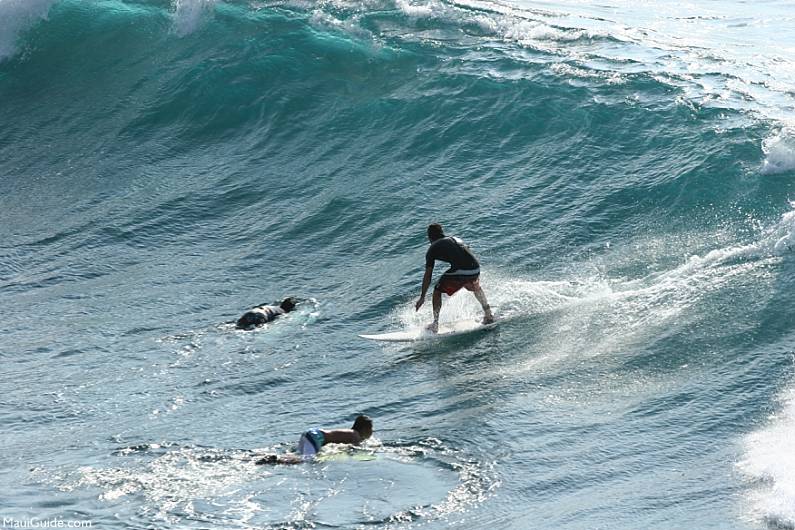
Remedy: Bring plenty of Aloha into the water. Wait your turn, and don’t bark when someone drops in on you. Be respectful and treat people the way you’d like to be treated. Some Maui surf spots are known for antagonistic local vibes. Stay clear of these spots. There are a lot of surfing locations on Maui, which means you can usually find a break that’s less crowded and less perfect. At the more popular surf spots, bring your patience and extra time to sit and get your fill.
Mush Factor
Maui waves can be great with the correct conditions. One of the big problems with our island is that most spots are mushy when small. They’re great for longboarding, but shortboards gather dust. Most spots don’t have enough power until there’s a quality swell in the water. Once the power is there, the wave is big and really only set up for advanced surfers.
Remedy: Know your limitations and surf accordingly. Pick the breaks that suit your skill level, and have the right board. All the waves on Maui act differently so be prepared for a learning factor. Drawn out turns and bigger surfing is the name of the game. Shallower spots deserve extra attention because of their speed and level of danger.
Crowds
If you’ve come to Maui to get away from crowds, think again. Almost all Maui residents surf in some shape or form. Some only go out once a year, others are out 3 times a day. Like anywhere, the better spots are the most congested. Honolua Bay, when it’s working, is the busiest surf break on the island. Even the smaller and lesser-known spots are known by enough people to make it cramped.
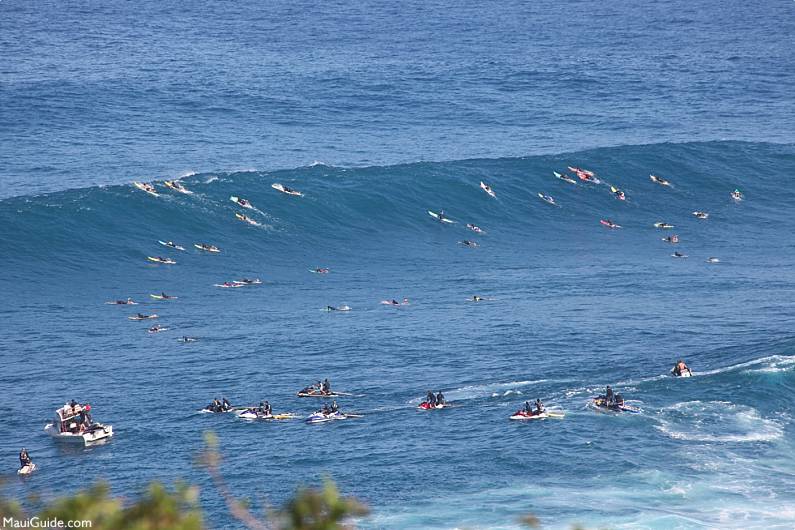
Remedy: Find the less perfect breaks and you’ll get more waves. You should plan to have time to sit for a while and wait your turn. If you’re longboarding, there are plenty of waves that can work away from crowds.
Reef Breaks
The best waves on Maui are all reef breaks. Though this is great for snorkeling and diving, it makes for some downers when surfing. There’s the obvious problem of being cut and becoming infected. Also, the reef surrounds rocks and caves that can be difficult to get out of if caught under. The other major issue, which is also a plus, is the perfection of the waves. Why would perfect reef waves be a downer? The local surfers on Maui can all surf well. With predictable perfect waves, you’re less likely to have someone fall or miss a section. This can be particularly frustrating when you’re out at Honolua Bay and are watching perfect rides without being able to share in them.
Remedy: Know where spots are shallower and don’t take unnecessary risks. The reefs are really more of a blessing than a curse. Be patient and don’t expect to catch every good wave.
Sharks, Urchins, and Jellyfish
Though shark attacks are rare, the tiger shark’s presence is constant. Some spots are sharkier than others. Urchins are everywhere. When you get in and out, and when you eat it. Jellyfish are often spotted in Hawaii waters. You don’t want to get caught in between these stinging sea creatures.
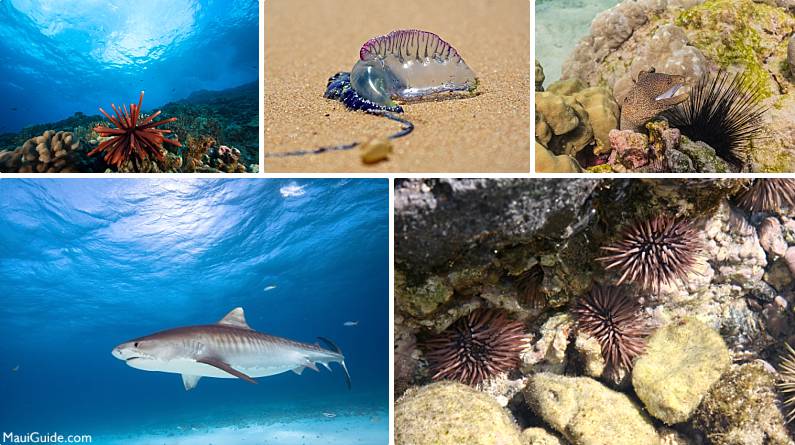
Remedy: When you get cut on the reef, get out right away. Sharks can smell blood from a mile away, and most likely there’s a tiger closer than that. Stay away from outlets, and don’t go out after heavy rains. Most attacks also occur at dawn or dusk. Be extra careful when entering and exiting the water that you don’t touch an urchin or the reef with your bare skin. If cut, or punctured, treat the wound immediately and make sure no debris is left in your skin. Make sure to check the reports and see that there are no jellyfish warnings.
The Good Points
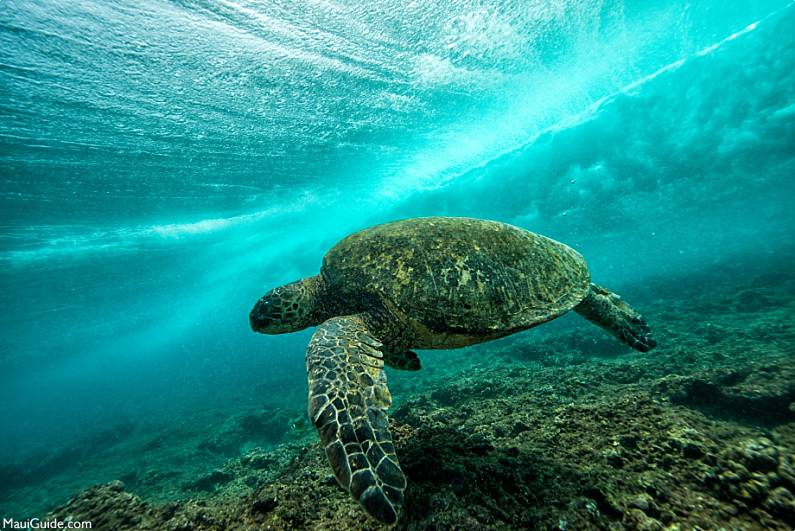
You’re surfing in Maui! The water is warm year-round. It can get a little chilly in the winter with the wind factor, but a vest or spring suit can cure this. The ocean water here is also crystal clear. Maui water is really clean and free from pollutants. The clarity offers you a chance to even enjoy the flats between sets by watching tropical fish and the vibrant reef below you. During whale season, you can see the humpbacks breaching the water and playing nearby. Many good surf spots are chock-full of sea turtles, which can also be fun to see. If the right swells hit them, our reefs can produce the perfect waves. Maui is also great for surfing because it’s small enough to get to any shore in less than 3 hours. The Big Island is not so fortunate in this aspect. Having Oahu and Kauai so close by is also a major plus. Getting waves on these islands is worthwhile and not a long trip away.